
Choose Your Games













On this page
- Super Helldive unlock: how each difficulty level opens up
- Helldivers 2 medals by difficulty: all 10 levels
- Why the operation total is the number that matters
- Where medals actually come from
- What medals are for, and the 250 cap
- Sample tiers by difficulty: 4 and 6 are the thresholds
- What gets harder at each level
- Which difficulty should you actually play?
- Helldivers 2 medal, sample and difficulty services
- Frequently asked questions
- Sources and update history
Helldivers 2 has ten difficulty levels, from Trivial to Super Helldive. Medals scale from 1 per operation at level 1 to 36 at level 10, and Requisition and XP carry a bonus that starts at +25% on Medium and reaches +300% on Super Helldive. Rare Samples first appear at level 4 and Super Samples at level 6. Levels unlock one at a time: finish a full operation on your highest unlocked difficulty to open the next, so the Super Helldive unlock comes from completing a Helldive (level 9) operation.
The difficulty you pick on the Galactic War console changes five things at once: how many medals the operation pays, how big the Requisition and XP bonus is, which sample tiers can spawn, how many operation modifiers you fight through, and how many missions the full payout is spread across. This guide covers how the levels unlock first, then lays all five out level by level.
Super Helldive unlock: how each difficulty level opens up
Not all ten levels are open from the start. Kotaku’s August 7, 2024 guide to the Super Helldive update puts the rule simply: you earn higher difficulties by completing operations at the highest tier available to you, so finishing a level 5 operation opens level 6, and so on. Destructoid’s guide from the same week says the same about the top step: to unlock Super Helldive, complete a Helldive (level 9) operation, meaning the entire set of three missions.
Two details follow from that rule and from the reward table further down:
- It is the operation that counts, not a single mission. Operations are one mission on levels 1 and 2, two on levels 3 and 4, and three from level 5 up. Since a failed mission fails the rest of the operation, a failed operation does not move you up.
- The normal in-order path is 21 successful missions before retries. One full operation on each of levels 1 to 9 is 1 + 1 + 2 + 2 + 3 + 3 + 3 + 3 + 3 missions. That is a count of missions, not a time estimate.
The unlock requirement is real rather than a menu quirk: Arrowhead’s patch 01.001.100 of September 17, 2024, as recorded on the Helldivers Wiki’s patch page, lists a fix for players who did not unlock new difficulties after fulfilling the requirement for them. The wiki’s own Difficulty page does not describe the unlock rule, and the 7.1.0 patch notes of September 22, 2026 do not mention difficulty unlocks.
What about joining a higher-difficulty game? This part is not confirmed by Arrowhead. The only source we found is the community-run Helldivers Wiki on Fandom, whose Difficulty page is itself flagged as needing an update. It says completing an operation above your unlocked level unlocks only the level directly after that operation: its example is that completing a Hard (5) operation without having unlocked Challenging (4) opens Extreme (6), but not Challenging or Hard. Treat that as a single community source, not a rule.
 Difficulty UnlockDifficulties normally unlock in sequence by completing a full operation on your highest available level.From $11.00View offer
Helldivers 2 medals by difficulty: all 10 levels
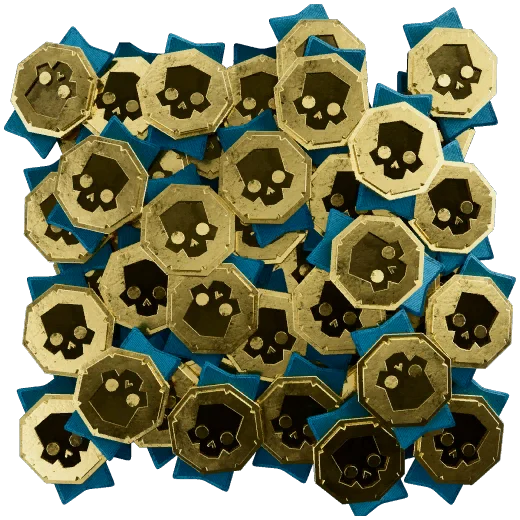
Medals are the currency that unlocks Warbond content, and the payout per operation is fixed per difficulty. The table below is the community-run Helldivers Wiki’s transcription of the in-game reward screens; Arrowhead does not publish it as a chart.
| # | Difficulty | Missions | Medals per mission | Operation total | Req & XP bonus |
|---|---|---|---|---|---|
| 1 | Trivial | 1 | 1 | 1 | — |
| 2 | Easy | 1 | 2 | 2 | — |
| 3 | Medium | 2 | 2, 4 | 6 | +25% |
| 4 | Challenging | 2 | 3, 5 | 8 | +50% |
| 5 | Hard | 3 | 4, 6, 8 | 18 | +75% |
| 6 | Extreme | 3 | 5, 7, 9 | 21 | +100% |
| 7 | Suicide Mission | 3 | 6, 8, 10 | 24 | +150% |
| 8 | Impossible | 3 | 7, 10, 12 | 29 | +200% |
| 9 | Helldive | 3 | 8, 11, 14 | 33 | +250% |
| 10 | Super Helldive | 3 | 9, 12, 15 | 36 | +300% |
The biggest single jump is level 4 to level 5: the operation goes from two missions to three and the medal total more than doubles, from 8 to 18. After that the curve flattens hard. Going from Hard all the way to Super Helldive doubles the medals again, from 18 to 36, but you are fighting Bile Titans, Factory Striders and two operation modifiers to do it.
Why the operation total is the number that matters
Medals are paid per mission, and the per-mission figures climb inside an operation rather than repeating. Super Earth Mission Control’s in-game text sets out what completing the set is worth: “An Operation is a collection of missions. Complete all missions to succeed with an operation and gain bonus rewards. Failing one mission will fail the rest of the operation.”
Read that carefully, because it is narrower than it first sounds. It says a failed mission ends the operation, and it does not say medals from missions you already completed are taken back — the wiki lists mission medals as earned “by completing Missions”. Nor is there a separate pot of medals hiding behind the phrase “bonus rewards”: every operation total in the table above is simply the sum of its own mission values, so 9 + 12 + 15 is the whole 36.
What dropping out early actually costs you is every mission you do not complete, since that is the condition the medals hang on. On a Super Helldive operation: if the first mission is completed but the second is not, you keep 9 medals and forgo 27. If the first two are completed but the third is not, you keep 21 and forgo 15. Fail the first and you keep none of the three.
That is the argument for picking the difficulty you can reliably finish over the one you can technically survive: the back half of an operation is where the medals are.
Where medals actually come from
Mission rewards are only one of four sources, and two of them ignore difficulty entirely:
- 1–15 per mission, depending on the difficulty you chose.
- 1–3 from medal cases found at minor points of interest — in pods, containers and bunkers. These are added to every Helldiver present the moment someone picks one up, and you do not need to complete the mission to keep them.
- 15 for a completed Personal Order.
- 35–100 for a completed Major Order.
There is a genuinely counterintuitive detail here. The wiki notes that medal cases are more likely on difficulties 1 to 3, because on those levels their spawns are not being taken up by Rare Samples. If you are farming loose medals rather than operation payouts, low difficulty is not the wrong answer.
What medals are for, and the 250 cap
Medals buy Warbond pages. That is their only use, and the ceiling is low: the maximum number of medals any Helldiver can hold is 250, and anything earned past that is discarded. A single Super Helldive operation is 36 medals, so seven of them are enough to overflow the cap from empty.
For scale on the other end, the wiki records that as of September 18, 2026 the medal cost to max out every Warbond is 18,522. At 36 medals per Super Helldive operation that is more than 500 completed operations, which is the real reason people ask which difficulty pays best.
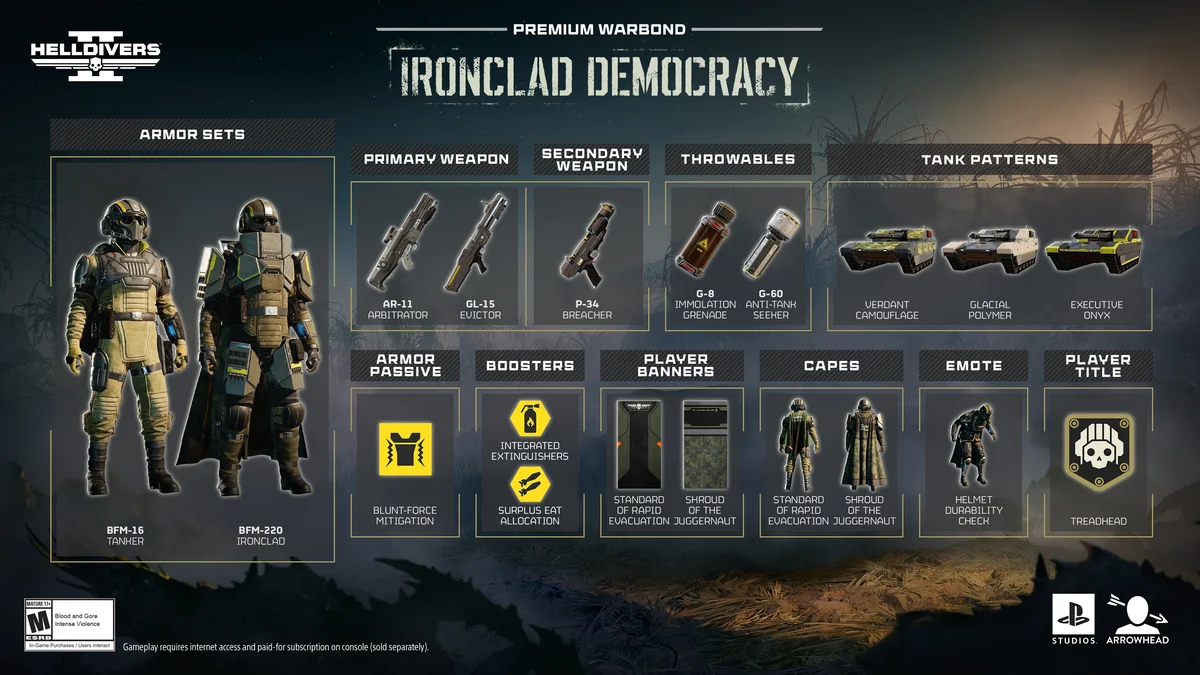
If you are working through a specific Warbond rather than all of them, our breakdown of every item in the Ironclad Democracy Warbond lists what each page costs.
Sample tiers by difficulty: 4 and 6 are the thresholds
Samples are the other reason to move up, and unlike medals they are gated rather than scaled. Common Samples appear on every difficulty. Rare Samples first appear on difficulty 4, and Super Samples on difficulty 6. Below those numbers the tier simply cannot spawn, no matter how long you search.
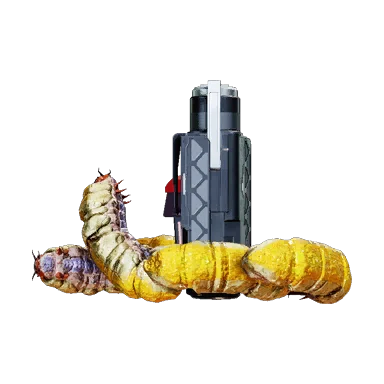
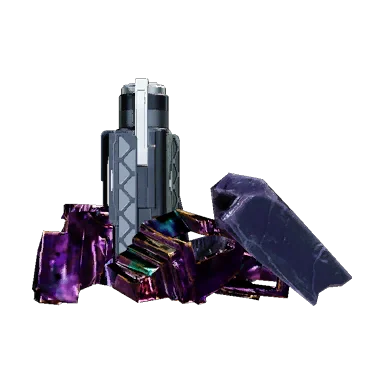
You can check before you commit: the wiki notes that the sample types available in an operation are shown on the Galactic War console when you select it. If a ship module needs Super Samples, difficulty 6 is the floor, and our guide to where to find Super Samples covers the rock formations they sit on.
One mission type changed its sample count recently. Arrowhead’s 7.1.0 patch notes (September 22, 2026) added 10 Common Samples to collect throughout Evacuate High-Value Assets, a defend mission the wiki lists from Hard (5) to Super Helldive. They are Common Samples only; the notes add no Rare or Super Samples to it.
What gets harder at each level
The reward table only tells half the story. These are the points where the mission itself changes shape, rechecked against the wiki’s Difficulty table on September 30, 2026, after patch 7.1.0:
- Level 2. Optional objectives and enemy outposts appear. Map radius grows from 250m to 300m.
- Level 3. Operations become two missions. Medium outposts appear. The Requisition and XP bonus starts here at +25%.
- Level 4. Rare Samples and Heavy outposts. Chargers and Stalkers join the regular enemy pool, while Bile Titans and Factory Striders can already show up in eliminate missions. Enemies begin occupying minor points of interest.
- Level 5. Operations become three missions, and the first operation modifier is added. Bile Titans enter the regular pool, and Evacuate High-Value Assets becomes available as a main objective.
- Level 6. Super Samples. Factory Striders and Impalers enter the regular pool.
- Level 7. Most minor points of interest become enemy-themed, for example Automaton ones topped with a Cannon Turret or fenced off with mines.
- Level 8. A second operation modifier is added, on top of Alpha Commanders and Reinforced Scout Striders.
- Level 10. Giant outposts appear, and the Requisition and XP bonus reaches +300%.
Patch 7.1.0 did not change this ladder, but it did touch two things that sit on top of it. Evacuate High-Value Assets was made harder on purpose: Arrowhead says the missions “have fallen behind in difficulty”, and the patch raised the maximum number of waves, cut the time between them (the opening gap drops from 60 to 42 seconds), put more enemies in each wave with extra scaling for bigger squads, and added a chance of Shriekers. Separately, enemy spawning now weighs how much pressure each Helldiver is under: when the map is at its enemy cap, a Helldiver facing little pressure gets enemies spawned near them, which Arrowhead says should stop the feeling of roaming into empty outposts. Neither change is tied to a specific difficulty level in the notes.
Patrol spawn frequency rises with difficulty too, and the wiki adds a detail worth knowing if you rely on orbital support: as patrols get more frequent, Democracy Space Station Eagle Strikes and other tactical actions fire less often during a mission.
Which difficulty should you actually play?
Three honest answers, each tied to a different goal:
- Medals for Warbonds. The best per-operation rate is Super Helldive at 36, but the jump that costs you the least is level 5 at 18. The deciding factor is completion, not ceiling — a failed mission ends the operation, and the biggest per-mission payouts sit at the end of it.
- Loose medal cases. Difficulties 1 to 3, where the case spawns are not competing with Rare Samples.
- Ship modules. Difficulty 4 for Rare Samples, difficulty 6 for Super Samples. Nothing below those thresholds will ever drop them.
Note what is not in this list: there is no published figure for how long an operation takes at each difficulty, so “medals per hour” is not something the official or wiki material supports. Anyone quoting one has estimated it.
Helldivers 2 medal, sample and difficulty services
Over 500 completed operations stands between a new Helldiver and a maxed Warbond shelf. These are the Helldivers 2 listings we run for the parts of that you would rather not grind.
 Medals PackMedals are the only currency that unlocks Warbond content, and the account cap is 250.No account login · just your friend codeFrom $5.99View offer
Difficulty UnlockDifficulty 4 is the floor for Rare Samples and difficulty 6 for Super Samples.From $11.00View offer
Medals PackMedals are the only currency that unlocks Warbond content, and the account cap is 250.No account login · just your friend codeFrom $5.99View offer
Difficulty UnlockDifficulty 4 is the floor for Rare Samples and difficulty 6 for Super Samples.From $11.00View offer
 Samples PackCommon, Rare and Super Samples, the three tiers gated behind difficulty.No account login · just your friend codeFrom $5.99View offer
Frequently asked questions
How do you unlock Super Helldive?
Complete a full Helldive (level 9) operation, all three missions. Each level opens only after a full operation on the level below it, so the normal in-order path from a new account is 21 successful missions before retries. Whether joining someone else’s higher-difficulty game counts the same way is not confirmed by Arrowhead.
How many difficulty levels does Helldivers 2 have?
Ten, selected on the Galactic War console: Trivial, Easy, Medium, Challenging, Hard, Extreme, Suicide Mission, Impossible, Helldive and Super Helldive.
Which difficulty gives the most medals?
Super Helldive, at 9 + 12 + 15 = 36 medals for a completed operation. Helldive pays 33 and Impossible 29.
What difficulty do Super Samples start at?
Difficulty 6, Extreme. Rare Samples start earlier, at difficulty 4. Common Samples spawn at every level.
What happens if one mission in an operation fails?
Super Earth Mission Control’s wording is that “failing one mission will fail the rest of the operation”, and that completing all of them is what gains the bonus rewards. The sources checked here do not say medals from missions you already finished are removed.
Is there a medal cap?
Yes, 250. Medals earned beyond that are discarded, so spend before a big operation if you are near the ceiling.
Does difficulty affect Requisition and XP?
Yes. The bonus starts at +25% on difficulty 3 and rises to +300% on difficulty 10. Difficulties 1 and 2 carry no bonus.
Sources and update history
- Helldivers Wiki: Difficulty — the ten levels, Requisition and XP multipliers, enemy pools by level, sample thresholds, operation modifiers, outposts, map sizes, per-mission medal columns
- Helldivers Wiki: Medal — medals by difficulty table, the 250 cap, medal cases at minor points of interest, Personal and Major Order payouts, and the 18,522 total recorded on September 18, 2026
- Helldivers Wiki: Missions — the in-game Super Earth Mission Control text on how operations succeed and fail
- Arrowhead Game Studios: Devoid of Liberty 7.1.0 patch notes — September 22, 2026; Evacuate High-Value Assets rebalance and its 10 Common Samples, enemy spawning changes. No later 7.1.x notes were posted as of September 30, 2026
- Helldivers Wiki: Patch 1.001.100 — Arrowhead’s September 17, 2024 fix for difficulties not unlocking after the requirement was met
- Helldivers Wiki: Evacuate High-Value Assets — minimum difficulty Hard, maximum Super Helldive
- Kotaku: Turn Up The Heat With Helldivers 2’s Most Brutal Difficulty Yet — Moises Taveras, August 7, 2024; difficulties unlock by completing an operation on your highest tier
- Destructoid: How to unlock Super Helldive in Helldivers 2 — August 6, 2024; Super Helldive unlocks by completing a Helldive operation
- Helldivers Wiki (Fandom): Difficulty — community source, page flagged as needing an update; the note on completing an operation above your unlocked level
- HELLDIVERS 2 on Steam — Arrowhead Game Studios, official store page and screenshots
Update history: Published September 30, 2026. Facts last checked September 30, 2026 against the sources above.